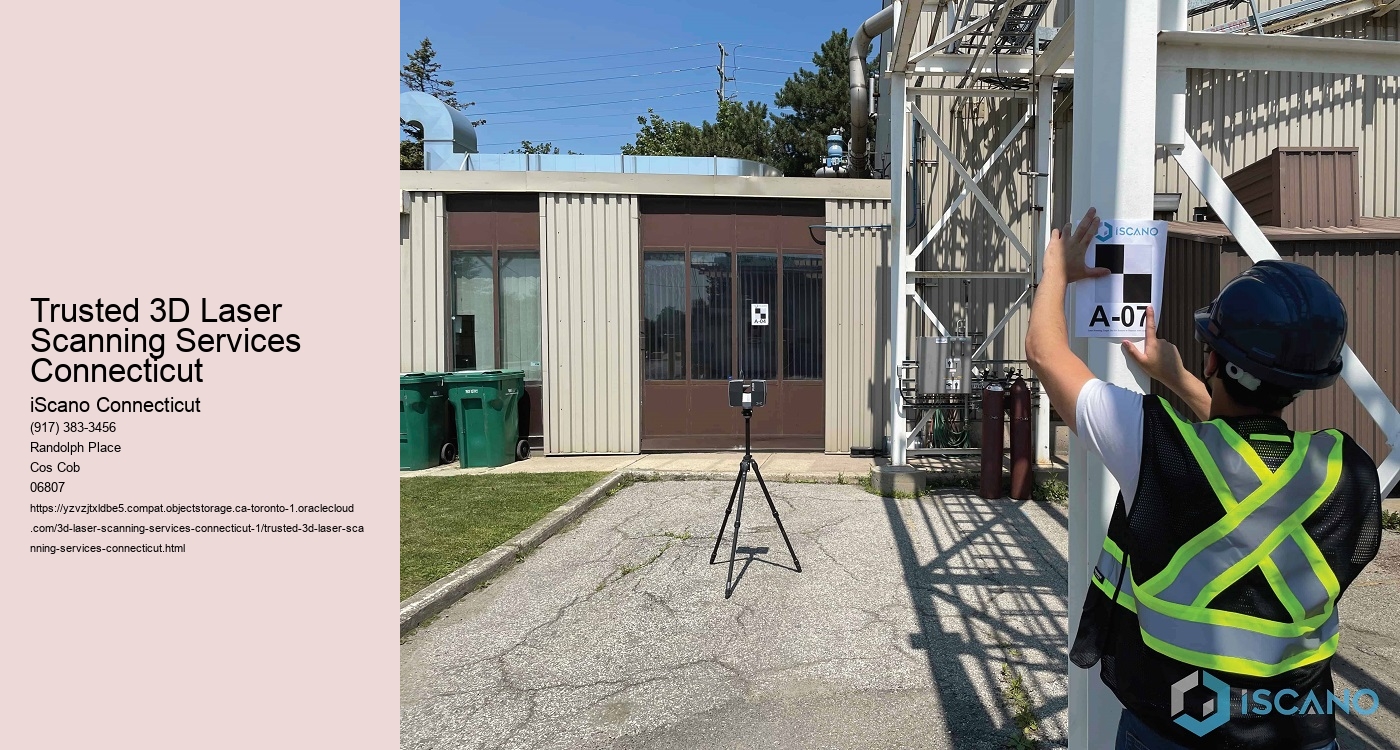
Changing Mapping and Surveying: 3D Laser Scanning Redefines Connecticut'' s Visual Landscape Development in visualization has taken a giant leap ahead with the introduction of 3D laser scanning innovation. Trusted 3D Laser Scanning Services Connecticut . This cutting-edge tool is changing the way we view and communicate with our surroundings, especially in the context of mapping and evaluating in Connecticut. With its unequaled accuracy and performance, 3D laser scanning is improving sectors and opening new opportunities for urban planning, framework advancement, heritage preservation, and a lot more.
Connecticut, with its varied terrain and rich social heritage, presents a myriad of obstacles and possibilities for visualization innovations. Typical methods of mapping and evaluating usually battle to capture the intricate details of its landscapes and structures. However, 3D laser scanning offers a remedy that goes beyond these limitations, providing highly accurate and in-depth depictions of both natural and man-made environments.
Among the key benefits of 3D laser scanning is its capability to capture information swiftly and non-invasively. By producing laser pulses and gauging the moment it takes for them to return, scanners can create precise three-dimensional models of things and landscapes with amazing rate. This effectiveness is especially beneficial in Connecticut, where jobs typically face limited due dates and complex terrain.
Moreover, the level of detail caught by 3D laser scanning is unrivaled. From the detailed exteriors of historical structures in New Sanctuary to the rugged topography of the Litchfield Hills, every subtlety is consistently duplicated in the resulting digital designs. This degree of fidelity not only enhances the precision of mapping and surveying initiatives yet likewise provides important insights for preservation and repair tasks.
In addition to its accuracy and performance, 3D laser scanning supplies convenience that is unequaled by standard approaches. Whether it'' s recording the format of a building website in Stamford or recording the condition of a bridge in Hartford, scanners can adjust to a vast array of environments and applications. This flexibility makes them essential devices for designers, designers, archaeologists, and metropolitan coordinators throughout Connecticut.
In addition, the information accumulated via 3D laser scanning can be quickly integrated into various software systems for more analysis and visualization. By integrating scan data with geographic info systems (GIS) or developing information modeling (BIM) software, stakeholders can acquire deeper understandings into spatial relationships, determine prospective problems, and make even more educated decisions. This combination is driving technology in areas such as metropolitan style, transportation planning, and environmental monitoring.
Beyond its sensible applications, 3D laser scanning is likewise adding to the preservation and documents of Connecticut'' s cultural heritage. By electronically recording archaeological sites, monoliths, and artefacts, scanners are creating digital archives that can be accessed and studied for generations to come. This not just aids to protect these essential social assets however likewise provides researchers with vital sources for study and interpretation.
Nonetheless, in spite of its various advantages, the extensive fostering of 3D laser scanning in Connecticut is not without obstacles. Price factors to consider, technological knowledge, and information monitoring problems are simply a few of the aspects that companies must browse when implementing scanning jobs. Furthermore, the rapid pace of technological advancement indicates that specialists must frequently update their abilities and tools to stay in advance of the curve.
In conclusion, 3D laser scanning represents a transformative innovation in visualization that is reshaping the way we perceive and communicate with our atmosphere. In Connecticut, this modern technology is unlocking brand-new opportunities for mapping, evaluating, and cultural heritage preservation, while additionally driving development in a vast array of sectors. As the modern technology remains to evolve, its possible to revolutionize visualization in Connecticut and past is virtually endless.
