Using 3D Laser Scanning to Improve Land Surveying in Montreal
Montreal 3D scanning for geotechnical investigations .Intro
Land surveying has been a critical element of building and construction, engineering, and real estate development for centuries. Traditional methods of land surveying have offered their purpose well, but as modern technology advancements, brand-new methods supply even more precision, performance, and detailed data collection. One such innovation is 3D laser scanning, an innovative strategy that has dramatically enhanced land surveying in Montreal and past. This post delves into the benefits, applications, and future of 3D laser scanning in the context of land surveying in Montreal.
Understanding 3D Laser Scanning
3D laser scanning is a modern technology that captures the exact size and shape of physical things by developing “ point clouds of data from the surface area of the things. This procedure includes making use of laser light beams to measure the distance between the scanner and the item. The scanner after that videotapes these measurements at broadband, creating a very thorough 3D depiction of the things or surface. This technology is capable of catching countless factors per second, resulting in precise and detailed data.
The Evolution of Land Surveying
Generally, land surveying relied upon devices such as theodolites, determining tapes, and general practitioner tools. These methods, while efficient, were lengthy and susceptible to human error. The intro of 3D laser scanning has reinvented this area by giving a much more precise and effective method to collect information. In Montreal, the adoption of 3D laser scanning has actually accelerated the procedure of land surveying, making sure jobs are finished much faster and with greater accuracy.
Advantages of 3D Laser Scanning in Land Surveying
1. Accuracy and Precision
3D laser scanning gives unrivaled accuracy and accuracy in information collection. Conventional surveying methods can have errors due to hand-operated dimensions and environmental elements. In contrast, 3D laser scanners can capture numerous information factors in a brief period, decreasing the margin of error dramatically. This high degree of precision is vital for projects that need specific measurements, such as facilities development and historic preservation.
2. Efficiency and Speed
Time is a critical factor in land surveying, specifically in urban locations like Montreal, where building projects are often on limited timetables. 3D laser scanning dramatically lowers the time needed for information collection. A task that might take a number of days with typical methods can be completed in a matter of hours with 3D laser scanning. This effectiveness not just accelerates the checking procedure however also increases the general task timeline.
3. Comprehensive Data Collection
3D laser scanning records extensive information that consists of not only the geographic area but also the measurements and shapes of things within the surveyed area. This comprehensive information is very useful for designers, engineers, and building and construction managers who require a total understanding of the surface and existing structures. The point cloud information created by the scanners can be used to develop comprehensive 3D versions, which are necessary for preparing and design.
4. Safety and security
Evaluating specific areas can be harmful, particularly in sturdy terrains or hectic metropolitan environments. 3D laser scanning reduces the requirement for land surveyors to physically access hazardous areas. The scanners can be operated remotely, ensuring the safety and security of workers while still recording precise information. This aspect is particularly helpful in Montreal, where extreme climate condition and dense metropolitan landscapes can position considerable threats.
5. Convenience
3D laser scanning is functional and can be made use of in numerous applications, from checking open landscapes to catching the information of complex architectural structures. This adaptability makes it a valuable device for a wide variety of projects, consisting of urban planning, environmental monitoring, and heritage conservation. In Montreal, the modern technology has been used in various applications, demonstrating its broad utility.
Applications of 3D Laser Scanning in Montreal
1. Urban Growth
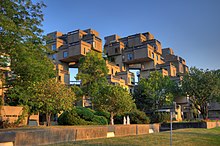
Montreal is a bustling metropolis with recurring city development tasks. 3D laser scanning has come to be an indispensable component of these projects, giving detailed data for the preparation and building and construction of brand-new buildings and framework. The modern technology enables precise mapping of existing frameworks, making certain brand-new growths are seamlessly integrated right into the metropolitan landscape.
2. Historic Conservation
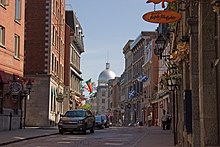
Montreal is home to many historical spots and buildings. Maintaining these structures requires specific documentation and surveillance. 3D laser scanning has been instrumental in capturing in-depth records of archaeological sites, assisting preservationists comprehend the exact measurements and conditions of these frameworks. This information is crucial for restoration and preservation efforts, making certain Montreal’s abundant background is maintained for future generations.
3. Transportation Infrastructure
The city’s transport facilities, consisting of roadways, bridges, and passages, calls for routine upkeep and upgrades. 3D laser scanning gives exact data for the assessment and preparation of these tasks. The modern technology makes it possible for in-depth inspections of existing structures, recognizing areas that require repair work or renovation. This proactive technique helps in keeping the safety and security and effectiveness of Montreal’s transportation network.
4. Environmental Monitoring
Montreal’s diverse setting, from metropolitan locations to natural landscapes, gain from 3D laser scanning for tracking and management. The modern technology is used to track changes in the environment, such as disintegration, greenery development, and water levels. This information is vital for environmental preservation efforts and aids in making informed decisions relating to land use and development.
Challenges and Considerations
While 3D laser scanning uses numerous benefits, there are difficulties and considerations to be familiar with:
1. Expense
The preliminary expense of acquiring and setting up 3D laser scanning equipment can be high. Nevertheless, the lasting benefits and effectiveness gains often warrant the investment. In Montreal, numerous surveying firms and building companies have embraced the technology, identifying its value in improving project outcomes.
2. Data Management
The large volumes of data generated by 3D laser scanning need efficient data management and storage options. Surveying firms need to buy robust data processing and storage facilities to deal with the thorough point clouds and 3D versions. Correct data management ensures the information is easily accessible and useful for numerous applications.
3. Training and Proficiency
Running 3D laser scanning tools and analyzing the information requires specialized training and proficiency. Surveying companies need to purchase educating their personnel or working with knowledgeable specialists to completely utilize the modern technology. In Montreal, a number of training programs and programs are readily available to gear up professionals with the essential skills.
The Future of 3D Laser Scanning in Montreal
The future of 3D laser scanning in Montreal looks promising, with innovations in innovation expected to further enhance its abilities. Developments such as mobile laser scanning, which permits data collection on the move, and drone-based laser scanning, which can access hard-to-reach locations, are most likely to end up being much more widespread. These innovations will certainly make 3D laser scanning even more versatile and efficient.
Furthermore, the combination of 3D laser scanning with various other modern technologies, such as Building Information Modeling (BIM) and Geographic Information Systems (GIS), will offer also higher insights and effectiveness. This assimilation will certainly enable smooth data sharing and collaboration amongst various stakeholders, enhancing task control and results.
Final thought
3D laser scanning has actually revolutionized land surveying in Montreal, offering unrivaled accuracy, efficiency, and comprehensive data collection. Its applications in urban development, historic conservation, transportation infrastructure, and environmental monitoring demonstrate its wide energy and worth. While there are difficulties to consider, the benefits of 3D laser scanning much outweigh the downsides, making it an important device in contemporary land surveying. As innovation remains to breakthrough, 3D laser scanning will play a much more significant duty fit the future of Montreal’s landscape.