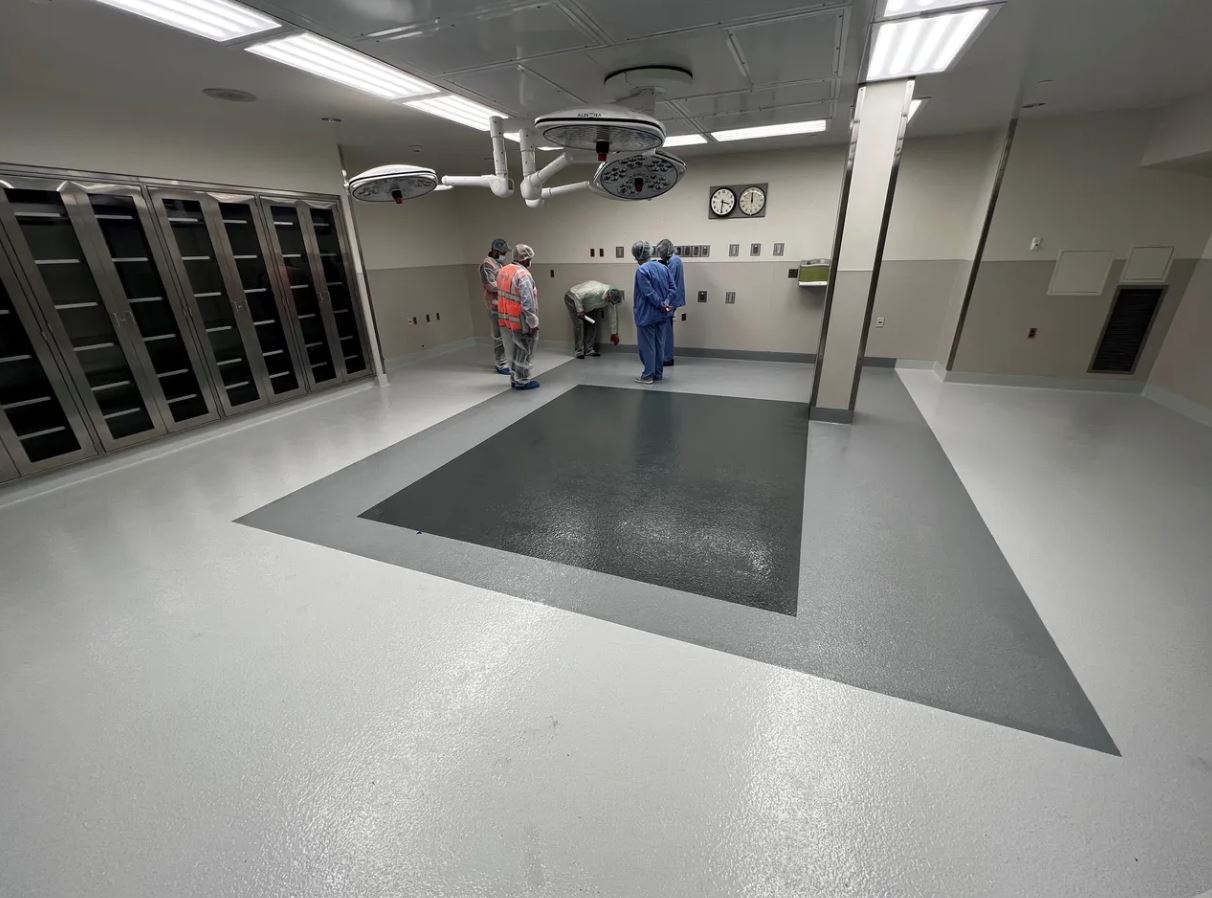
Resin coatings are now very popular, especially for floors. You see them everywhere, from garages to living rooms to stores. They can change a space, make it look modern, and provide great durability. The resin layer's thickness is very important. Want a reliable Flooring Contractor in Denver homeowners trust for professional flooring services.. If it's too thin, you will see scratches and stains, and the coating won't last. If it's too thick, it may crack or bubble.
A good resin coating protects your concrete from moisture, chemicals, and wear. It’s an investment in your floor's future. For homeowners, this means fewer repairs and a floor that looks good for years. For property owners and managers, it means lower maintenance costs and a nicer space for tenants or customers.
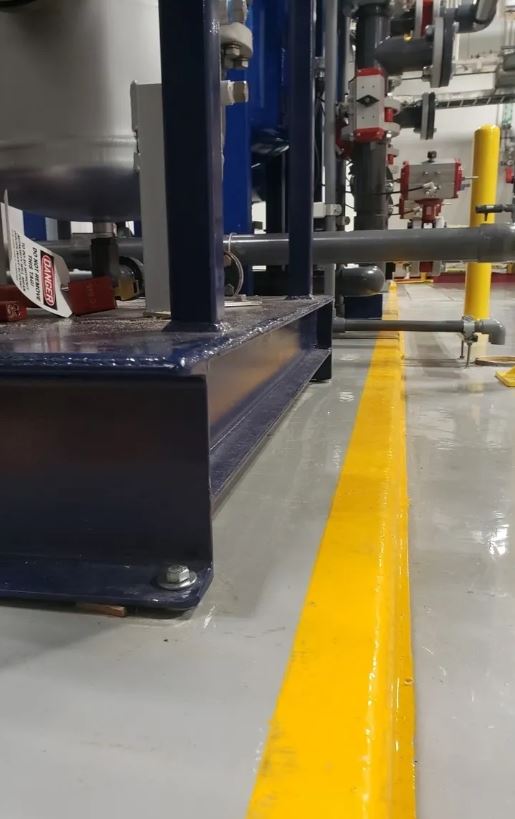
The right thickness isn't just about looks; it's about how long the coating lasts. It’s the difference between a floor that handles heavy use and spills versus one that wears out fast. That's why knowing how to measure and control resin coating thickness is so important.
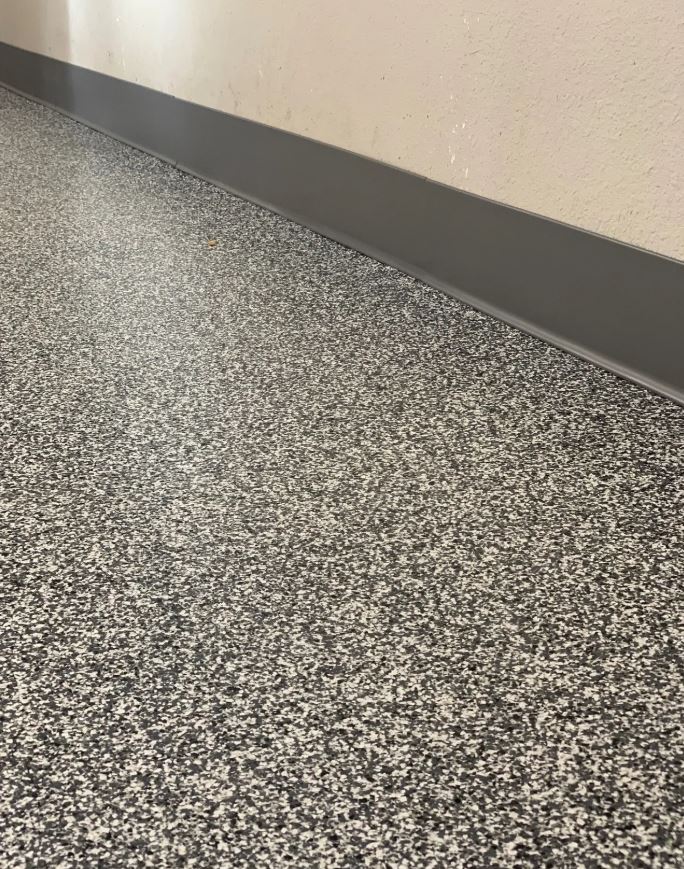
Why does resin coating thickness matter? It affects performance and floor life. The right thickness means a floor that can take a beating. It protects against scratches, scuffs, and wear. A good resin coating resists chemicals, which is important in garages or commercial spaces. The correct thickness also creates a smooth, nice finish. You want a floor that looks good and lasts.
Too little or too much resin causes problems. Too thin, and you lose the protective benefits. Cracking or peeling might happen sooner. Too thick wastes material and money. Also, excessive thickness can cause bubbling or improper curing, which weakens the floor.
How do you avoid these problems? Start with proper mixing of the resin and hardener. Then, apply it evenly. Rolling works, but self-leveling resins are also great for larger areas. Monitor the thickness as you go. Follow the manufacturer's curing schedule. Do all this, and you get a stain-resistant floor that handles whatever you throw at it, at home or in a busy commercial space.
The application method greatly affects the final thickness. For example, self-leveling epoxy, often used for floors, uses gravity to create a uniform coating. Rolling needs a skilled person to keep consistent pressure and overlap to avoid thin spots or buildup. Spraying can give a thin, even coat, but it depends on the sprayer's settings and technique. Choosing the right method for the resin and surface is important to get the thickness and performance you want.
Resin viscosity, or how easily it flows, affects how easily it spreads and levels. A thicker resin will create a thicker coating per application. Temperature is important because warmer temperatures usually lower viscosity, leading to thinner coats. Always consider what the manufacturer says about viscosity and temperature ranges. Not accounting for viscosity can cause uneven coatings, less durability, and aesthetic problems.
The porosity of the surface, like concrete or wood, affects resin absorption. Porous surfaces like unsealed concrete will soak up more resin. You may need multiple coats to get the thickness you want. This is important in commercial places where durability is key. Priming or sealing the surface beforehand can lower absorption and ensure a more uniform coating with less material. Many skip this step, but it's important for long-term performance.
Temperature and humidity during application and curing are key. Extreme temperatures can affect the resin's viscosity and curing rate. This can cause inconsistencies in thickness and finish. High humidity can add moisture to the curing process, which may cause clouding or adhesion problems. Always follow the temperature and humidity ranges the manufacturer suggests for the best results. Monitoring these conditions and making changes as needed is part of a good application.
The applicator's skill and experience are very important. Proper mixing, even application, and attention to detail are needed to get the thickness you want and a great finish. An experienced applicator knows how to change their technique based on environmental conditions, resin properties, and surface traits. Paying for a qualified and experienced professional is a good idea. It lowers the risk of mistakes and ensures a durable resin coating that looks good and meets your needs.
How do you check the thickness of a resin coating? There are several ways, and each has pros and cons.
First, consider wet film thickness gauges. These simple, comb-like tools work right after you put down the resin. You stick it into the wet coating, and it tells you the thickness. It is easy and cheap, but it only works before the resin cures. It is great for adjustments during application.
Next, there are dry film thickness gauges for when the coating is dry. Magnetic gauges work on metal surfaces, while eddy current gauges work on non-metal items. You hold the gauge against the surface, and it gives you a reading. These are non-destructive, so you don't damage the coating. They are very useful for checking the final product.
For precise measurement, especially on thinner coatings, try ultrasonic thickness gauges. They bounce sound waves off the coating and measure the thickness based on how long it takes the sound to return. They are more expensive, but very accurate.
Finally, there is microscopic analysis. This is destructive. You must cut out a small sample of the coating and look at it under a microscope. It's the most accurate, but you damage the floor. It is best when you need to know what's happening, like in failure analysis or for control in a lab. The right method hinges on when you're measuring, how accurate you need to be, and whether you can damage the coating.
Resin Coating Application: Key Steps for Surface Preparation
When you consider how thick to make your resin floor, it depends on its location and what it must endure. For a home garage or basement, a thinner coating works. Aim for about 2–3 millimeters. That is enough to resist stains and general wear.
For a commercial space, like a store or restaurant kitchen, increase the thickness. Go for 3–5 millimeters. There will be more foot traffic and spills, and you want the floor to last.
For industrial settings, things change. In a factory or warehouse with forklifts and heavy machinery, plan for 5 millimeters minimum, but often closer to 8–10 millimeters. For labs or food processing plants, where chemical resistance and sanitation matter, you might need a special resin system at an even greater thickness. It could exceed 10 mm in some high-impact areas.
The thickness affects how well the floor holds up. If it is too thin, you will see scratches, chips, and chemical damage sooner. If it is too thick, you waste material and money, and it might take longer to cure. Getting it right ensures a floor that performs and lasts.
Let's discuss the tools you need to measure resin coating thickness. This is important because coatings that are too thin won't protect the floor. Coatings that are too thick waste material and may create an uneven surface.
For contractors, ease of use matters. A popular choice is a wet film thickness gauge, or "comb." You dip it into the wet resin, and it shows the thickness before curing. Elcometer makes reliable ones. Keep in mind that you must do this while the resin is still wet.
Once it's cured, you'll need something else. Ultrasonic thickness gauges work well then. They send sound waves into the coating and measure how long it takes to return. Brands like PosiTector are well-regarded, but they can cost more.
No matter which tool you pick, always calibrate it. Follow the manufacturer's instructions. Otherwise, your readings are useless. Also, keep your tools clean! Resin is sticky, and dirty tools won't give you correct results. Finally, take several measurements across the floor. Thickness can change, and you want to find any thin spots before they cause problems.
Non-destructive testing (NDT) methods are preferred for measuring resin coating thickness without damaging the underlying material. Techniques like ultrasonic thickness gauging and eddy current testing provide accurate readings while preserving the integrity of the coating. These methods are essential for quality control and ensuring consistent coating application.
Precise measurement of resin coating thickness is crucial for ensuring optimal performance and longevity of coated materials. Accurate measurements help verify that the coating meets required specifications for protection against corrosion, abrasion, and other environmental factors. Deviations from the specified thickness can lead to premature failure and costly repairs.
Several factors can influence the uniformity of resin coating thickness, including application technique, substrate preparation, and environmental conditions. Variations in spray patterns, surface roughness, and temperature can lead to inconsistencies in coating thickness. Controlling these factors is essential for achieving a uniform and effective resin coating.
Are you trying to get an accurate measurement of your resin coating? Some things can throw you off. One big issue is not calibrating your gauge right. It seems obvious, but it matters. Always double-check that your equipment is zeroed and set to the right material.
Another problem? Surface dirt. If the surface you're coating isn't clean, the resin won't stick well. Your thickness readings will vary. Make sure you've prepped the surface. Clean and dry it before you apply the resin.
Uneven application also causes issues. If you're rolling the resin on unevenly, you'll get different thickness readings. This matters if you want a specific thickness for protection.
To avoid these issues, slow down and pay attention. Calibrate your tools and clean your surfaces. Take your time applying the coating evenly. If you do that, you'll get accurate thickness measurements and a long-lasting resin floor. That's what we want.
Consistent resin coating thickness, especially over large areas, depends on a few things. First, surface prep matters. You must have a clean, prepared surface, or the resin will not adhere evenly. Consider grinding, cleaning, or priming, depending on the substrate.
Next, your application technique matters. Spraying works for even coverage, but you need the right equipment and a skilled applicator. Rolling can work, especially for smaller areas, but avoid roller marks and inconsistent thickness. Pouring and self-leveling? That is often the best choice for large, flat surfaces, but you must get the mixing ratios right. Too much or too little hardener creates a mess.
Then, consider quality control. Do not just apply the coating and hope for the best. Use a wet film thickness gauge while you apply to ensure you hit your target. Once cured, do a visual inspection and maybe use a measuring tool to check for variations.
Here is why thickness matters. Inconsistent thickness leads to weak spots, premature wear, and potential failures. Also, getting the thickness right saves money. Too thin requires re-application. Too thick wastes material. Precision in application and thickness control impacts the project's bottom line. It is about material use and minimizing costly re-application.
Consider a commercial garage floor. If the resin coating is too thin, you will see wear and tear faster. Hot tires might pull up pieces of the coating. This leads to cracks and peeling. The floor looks bad fast. You will need repairs or a new coating. That wastes money.
Now, picture a showroom floor with a perfectly applied, thick resin coating. It looks great and withstands heavy foot traffic, dropped objects, and spills. The floor won't show wear. A protected floor requires less maintenance. This saves money and keeps the space looking good for years.
Or think about a home garage. A thin epoxy coating might chip and stain from oil or road salt. A thicker, professionally installed coating will resist stains. It will also be easier to clean and last longer. It costs more at first, but it saves you from constant cleaning and repairs. You won't have to redo the floor every few years. The right thickness matters.
When should you call in a pro for resin coating? If you're tackling a huge area, such as a warehouse or large retail space, get a professional flooring contractor. The scale makes it worth it. Also, if the application is complex, such as multiple colors or patterns, a pro will save you headaches.
If you've never worked with resin coatings, there's a learning curve. Mistakes can be costly regarding materials and the final result. You might end up with an uneven mess.
Finding a good contractor in Denver is key. Don’t just grab the first name you see online. Look for certifications from groups like the Concrete Polishing Association of America (CPAA). Experience matters. Ask about similar projects they’ve done. Dig into their quality control. How do they ensure consistent thickness? What steps do they take to prevent bubbles or other problems? A good contractor will have clear answers and walk you through their process. Ask for references and call them. It's worth the effort to get it right.
When you apply a resin coating, the right thickness matters. If it's too thin, it won't protect the floor. Wear and tear will happen faster, defeating the purpose of the coating. If it's too thick, you waste material and money. It can also take longer to cure, and cracking can occur.
Proper measurement ensures you hit the sweet spot. Your floor lasts longer, looks better, and you don't waste money. Whether you're a homeowner wanting a durable garage floor, a property manager needing something tough for a commercial space, or a contractor aiming for great results, thickness control is key.
Correct mixing of the resin is important. Use the right rolling methods to spread it evenly. Sometimes, use self-leveling methods for a smooth finish. Different floors need different thicknesses, and you have to factor in the curing time. Messing up any of these steps can lead to floors that stain easily or don't hold up.
Want to ensure your resin coating is applied perfectly? Contact us for a consultation or request a quote today. Let's protect your floors the right way.