
Laser hair removal is a great option if you want a more lasting way to avoid shaving or waxing. Clinically advanced laser hair removal Pickering delivers gradual, lasting hair reduction.. It offers long-term hair reduction, not just a quick fix. It's a favorite for busy people who don't have time for constant upkeep, those with skin that gets irritated easily, and athletes who want less friction. Plus, anyone tired of shaving or waxing will like how easy it is.
Laserbody MD in Pickering provides laser hair removal and Botox. This might seem like a strange mix, but they work well together. Laserbody MD does things the right way. They don't use the same laser settings for everyone. They provide custom meetings to learn what you need, and they make treatment plans for your skin type and hair color. This is important because what works for one person might not work for another.
We made this checklist to guide you. It will help you get the best results. Think of it as your guide to smoother skin without hair. It's not hard, but there are things you should know before you begin.
Prior to your first laser hair removal session, schedule a consultation with a qualified technician. This allows them to assess your skin type and hair color, ensuring you're a suitable candidate. A patch test is crucial to identify any adverse reactions and determine the appropriate laser settings for your skin.
Immediately after treatment, the area may appear slightly red or bumpy, similar to a mild sunburn. Apply a soothing lotion or aloe vera to calm the skin and avoid excessive heat, such as hot showers or saunas, for 24-48 hours. Protect the treated area from sun exposure by using sunscreen with a high SPF.
Shave the treatment area 24-48 hours before your appointment, as the laser targets the hair follicle beneath the skin. Avoid waxing, plucking, or using depilatory creams for at least four weeks prior, as these methods remove the hair root. Stay out of the sun and avoid tanning beds, as tanned skin can increase the risk of complications.

Before you consider laser treatments, a good consultation is key. It helps us decide if laser hair removal suits you.
First, we look at your skin type. Is it fair, olive, or dark? This matters because the laser targets pigment. We adjust the settings to avoid skin discoloration. Then we check your hair color and thickness. Dark, coarse hair often works best. Blonde, gray, or red hair might not work as well because the laser needs pigment to target.
We also ask about your medical history. Some medicines or skin conditions can affect how your skin reacts to the laser. This helps us avoid problems.
The consultation also ensures you have realistic expectations. Laser hair removal reduces hair growth, but it's not always 100% permanent. You might need touch-up sessions later.
Skipping this step is a mistake. You could waste money on a treatment that won't work or damage your skin. At Laserbody MD in Pickering, we focus on personalized consultations. We want the treatment plan to fit you. This is about safety and good results.
Different lasers work better for different skin tones and hair colors. Alexandrite lasers work well for people with light to medium skin tones. Diode lasers are versatile and work on more skin types. The Nd:YAG laser is often the best choice for those with darker skin, limiting the risk of pigmentation changes. It's important to know these differences because the wrong laser can cause ineffective treatments or skin damage.
Choosing the right clinic matters as much as understanding the laser. Make sure the clinic employs certified and experienced technicians who know how to operate the lasers safely. Look for clinics that use advanced, well-maintained equipment to ensure good results. Hygiene matters, too. The clinic should keep strict cleanliness standards to prevent infections. Check online reviews and testimonials to see what other clients say.
Using the wrong laser on your skin can cause problems. For example, if someone with darker skin uses an Alexandrite laser, they could get hyperpigmentation or burns. That's why a consultation with a qualified technician matters. They can assess your skin type and hair color and suggest the best laser for you. This limits risks and makes the treatment more effective.
The right technology and clinic affect how well laser hair removal works. A good clinic will tailor the treatment to your needs, adjusting the laser settings and treatment schedule. This helps you get the best results. A less experienced clinic might use a standard approach, which could cause uneven hair reduction or require more sessions.
Choosing the right technology and clinic helps you succeed with laser hair removal. You'll get smoother, hair-free skin with little risk of side effects. You'll also save time and money by avoiding ineffective treatments or issues. It's an investment in your confidence and ease. Do your research and choose well to get the most from your laser hair removal.

Thinking about laser hair removal? Great. Before you book, you need to do a few things. Seriously. These steps make a big difference in how well the laser works and how safe it is for your skin.
First, stay out of the sun. Really out of the sun. Tanned skin absorbs more laser energy. That means a higher risk of burns and less effective hair removal. Aim for at least two weeks before your treatment. Honestly, longer is better. Wear sunscreen every day, even if it’s cloudy.
Next, shave the area you plan to have lasered, usually a day or two before your appointment. Why shave? The laser targets the hair's root, not the hair on the surface. If the hair is too long, the laser energy will burn the hair above the skin. That can also cause burns.
Now, this is important: no waxing, plucking, or threading for at least four weeks before your appointment. These methods remove the hair from the root. The laser needs to target the root. If there's no root, the laser can't do its job.
Finally, check your medications and skincare products. Some medications and products make your skin more sensitive to light. For example, retinoids can thin your skin and raise your risk of irritation. Talk to your provider about everything you’re using, even if it seems minor. They can tell you what to stop and for how long. Skipping this step is a bad idea, trust me.
Want to know what a laser hair removal session is like? Let's walk through it.
First, the technician puts a cooling gel on the treatment area. This gel protects your skin from the laser's heat and increases comfort. Then, the laser sends pulses of light to your skin. These pulses target hair follicles, which damages them and prevents future hair growth.
What does it feel like? Most people say it feels like a rubber band snapping against their skin. Some areas are more sensitive. It's important to talk to your technician during the session. Don't be shy! If you're too uncomfortable, tell them. They can adjust the laser's settings.
Session length depends on the treatment area's size. A small area, like your upper lip, might take only a few minutes. Larger areas, like your legs or back, could take an hour or more. After the session, you might see some redness or slight swelling, but this goes away within a few hours. Make sure you go to a place that offers personalized consultations and treatment plans. This is not a one-size-fits-all situation.

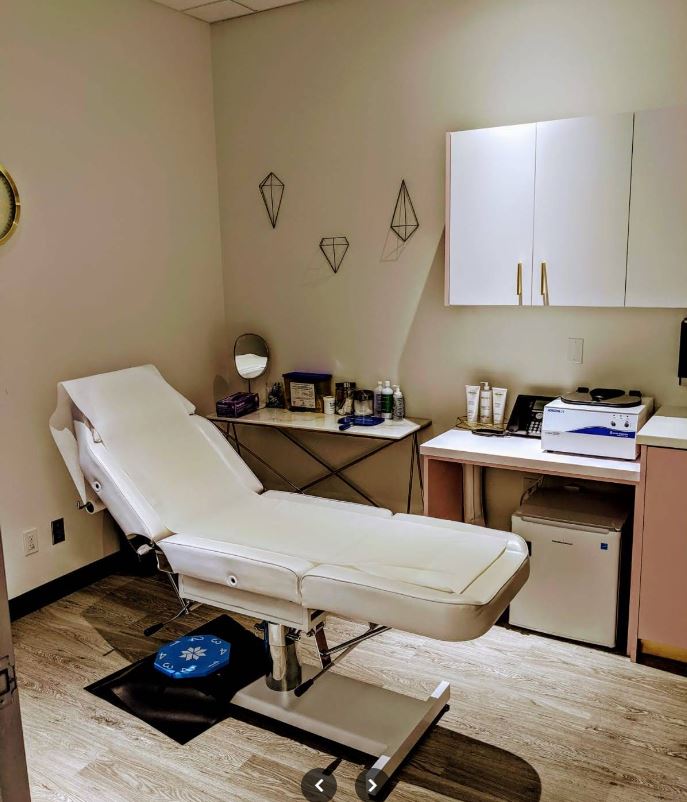
Okay, you just had your laser hair removal session. What's next? Aftercare matters a lot. You did the work, and now your skin needs to heal to show the best results.
Your skin might be a little red or swollen right after treatment. This is normal. We often suggest a lotion, like aloe vera, to soothe your skin. Keep the area clean and avoid irritants.
Sun exposure is not good. Stay out of the sun if you can. If you can't, use sunscreen, SPF 30 or higher. Sunburned skin is not happy skin, especially after laser treatment.
Watch for unusual reactions. Redness and swelling should fade in a day or two. If they last longer, or you see blisters or skin color changes, call us. It is always best to be safe.
Follow these aftercare steps for comfort. They also prevent issues and help you get the best results from laser hair removal. Think of it as an investment in your skin! At Laserbody MD in Pickering, we stress aftercare during our consultations.
Laser hair removal requires multiple sessions. You will likely need about 6 to 8 sessions to see the results you want. These sessions occur several weeks apart. Here is why: It relates to the hair growth cycle.
Hair grows in stages. The laser works best on hair in the active growth stage. Not all hairs enter that stage at the same time. You need multiple sessions to treat all hairs when they are vulnerable. Does that make sense?
Do not expect all hair to vanish after a few treatments. Hair reduction happens bit by bit. Each session removes more hair, but it takes time. Some people might need maintenance sessions later to manage stray hairs. Laserbody MD in Pickering has consultations and treatment plans. They can create a plan that fits your needs and hair type. They also have services such as Botox.


Laser hair removal and Botox? Yes, we do both at Laserbody MD in Pickering. People often get them together. We try to ensure everyone gets what they need through personalized consultations. We create a treatment plan that's right for you. No cookie-cutter stuff.
Laser hair removal is great, but it has risks. You might get skin irritation, like redness or itching. Some people see changes in skin pigment, where the treated area gets darker or lighter. Blistering or scarring can happen, but it's rare.
Picking the right technician matters! A qualified person knows how to reduce those risks. Also, how you care for your skin before and after the treatment makes a difference. Following instructions lowers the chances of problems.
Who benefits from laser hair removal? Busy professionals who don't have time to shave, people with sensitive skin irritated by waxing, athletes who want to improve performance, or anyone tired of hair removal. If you want long-term hair reduction, it could be a good fit.
Let's discuss the money side of laser hair removal. It's an investment. The cost changes based on a few things. The size of the area matters. Treating a small area, like your upper lip, costs less than your back or legs.
You'll need multiple sessions. Hair grows in cycles, and the laser only targets hair in the active growth phase. You'll need to return to treat all the hairs. The number of sessions varies, but it’s usually six to eight for the best outcome.
Where you get treated also affects the price. Clinics in bigger cities might charge more. For example, Laserbody MD in Pickering offers consultations and treatment plans, which can change the cost.
How can you pay? Most places have payment options. You can pay per session, or they might have package deals. Some clinics also offer payment plans to spread out the cost.
Here is why this is a good option: shaving gets old, and waxing hurts and costs money. Laser hair removal costs more at first, but you save money and time by not buying razors or booking waxing. Plus, no more ingrown hairs!
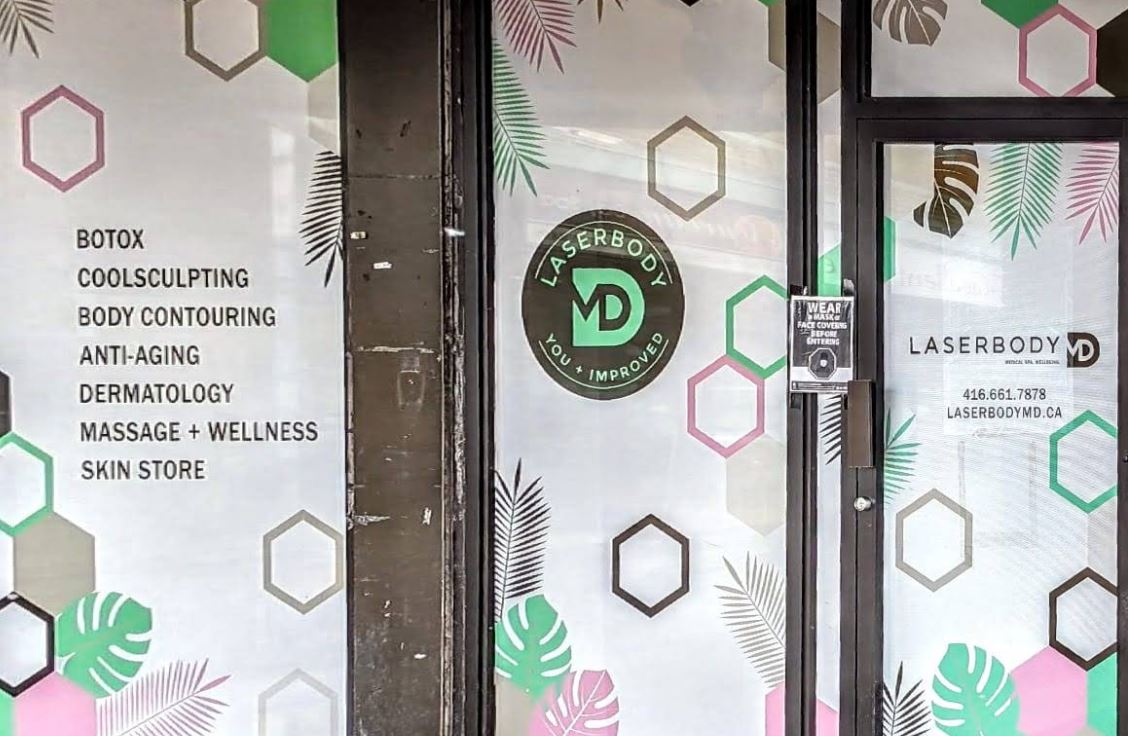
Thinking about laser hair removal? Laserbody MD in Pickering provides laser hair removal and Botox. They pair well. We offer custom consultations to determine your needs. We also build flexible treatment plans. Life happens!
Laser hair removal works if you're busy, have sensitive skin, or are an athlete tired of shaving. It also works if you dislike shaving or waxing. We offer lasting hair reduction.
To get the best results, follow these steps: First, schedule a consultation. We'll check your skin and hair type to set the laser. Then, follow the pre-treatment steps. This often means avoiding sun and some skincare. During sessions, relax! Our technicians know their stuff. After each session, follow our aftercare tips to soothe your skin.
Ready for smooth skin? Schedule a consultation with Laserbody MD today, and let's begin! It’s the first step toward a hair-free you!