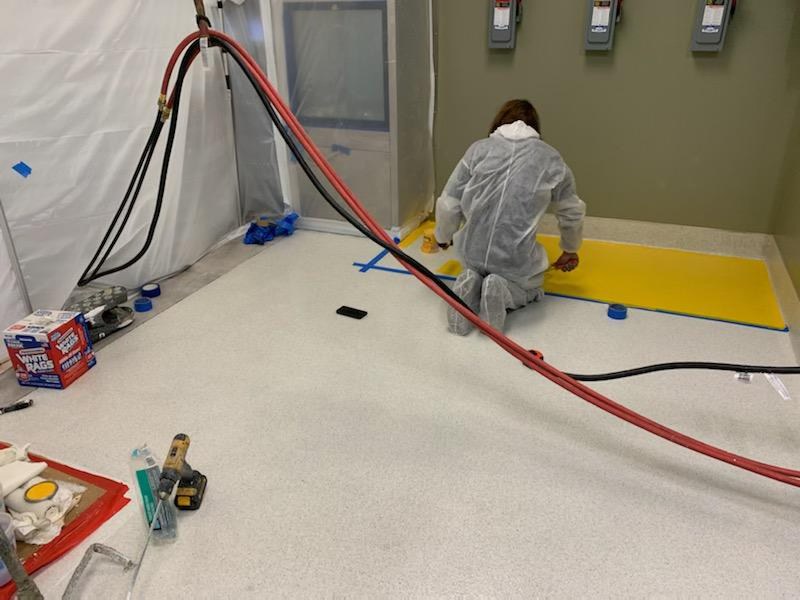
Concrete flooring is very popular in Colorado, and it is easy to see why. It looks great, it is very tough, and it can handle a lot of use. Warehouses, industrial buildings, commercial spaces all gain from it. Even homeowners are starting to like it, especially for garages where strength is key.
But Colorado's weather and geology create some issues. We have big temperature changes and freeze-thaw cycles that can cause problems, plus soil that is not always great. These things can lead to cracking, surface flakes, and water issues. You do not want any of that.
That is where we come in. At RFE, we have seen it all, and we know how to fix these problems. We know the specific issues that come up in Colorado and offer fixes so your concrete floor works well and lasts for years.
This guide will show you some of the most common mistakes we see in Colorado concrete flooring work. We will talk about site prep, picking the right concrete, and using the right sealants. When it comes to Epoxy Flooring Colorado that enhances both performance and appearance. Epoxy Flooring Colorado that combines strength, safety, and visual appeal.. Use this to avoid problems and get the strong, nice-looking concrete floor you want.
Colorado's climate is hard on concrete. Big temperature swings and constant freeze-thaw cycles can damage your concrete floors. Concrete expands and contracts with temperature changes. In Colorado, that expansion and contraction is extreme.
The freeze-thaw cycle is destructive. Water enters the concrete, freezes, expands, and cracks form. The altitude adds to the stress.
What is the answer? It starts with the concrete mix. You can't use just any mix. It must be designed for Colorado's conditions. Pay attention to the water-to-cement ratio. Use the correct aggregates. Consider special additives to increase durability and resistance to freeze-thaw cycles.
Next is curing. Many people make mistakes here. Concrete must cure correctly. Keep it moist for enough time. If it dries too fast, cracks are likely. Proper curing lets the concrete gain strength and reduce stress. Mess it up, and you create future problems. At RFE, we offer solutions to address these problems, ensuring dependable performance and long-term durability.
Grading comes first. Make sure the ground under your concrete slab slopes correctly for drainage. You don't want water pooling, especially with Colorado's freeze-thaw cycles. Poor grading causes hydrostatic pressure, which can crack your slab. Get the slope right from the start—a quarter inch per foot works well. This saves you trouble later. It's a simple step with big rewards.
Compaction is also key, but people often miss it. Compact the soil to create a stable base. Loose soil makes the concrete slab settle unevenly, which leads to cracks. Use a plate compactor to make the soil dense before pouring concrete. This matters most in areas with fill dirt or disturbed soil. A solid, compacted base makes for a floor that lasts.
Don't skip the vapor barrier. This plastic sheet goes between the soil and the concrete. It stops moisture from seeping into the concrete, which causes mold, mildew, and concrete damage. Over time, moisture can ruin your flooring. Make sure the vapor barrier is sealed to keep out moisture. It's cheap protection against expensive fixes.
Concrete resists pressure well but not tension, so reinforcement matters. Use rebar or wire mesh to give the concrete tensile strength. The amount and placement depend on the expected load and soil. Without reinforcement, the concrete will likely crack under stress. Talk to a structural engineer to choose the right reinforcement for your project. Getting this wrong can be a big problem.
Skipping steps leads to trouble. Poor grading, compaction, vapor barrier setup, or reinforcement cuts the life of your concrete floor. Cracks and moisture problems will happen. Fixing a poorly prepped concrete slab costs more than doing it right the first time. Take your time, and you'll have a floor that lasts.
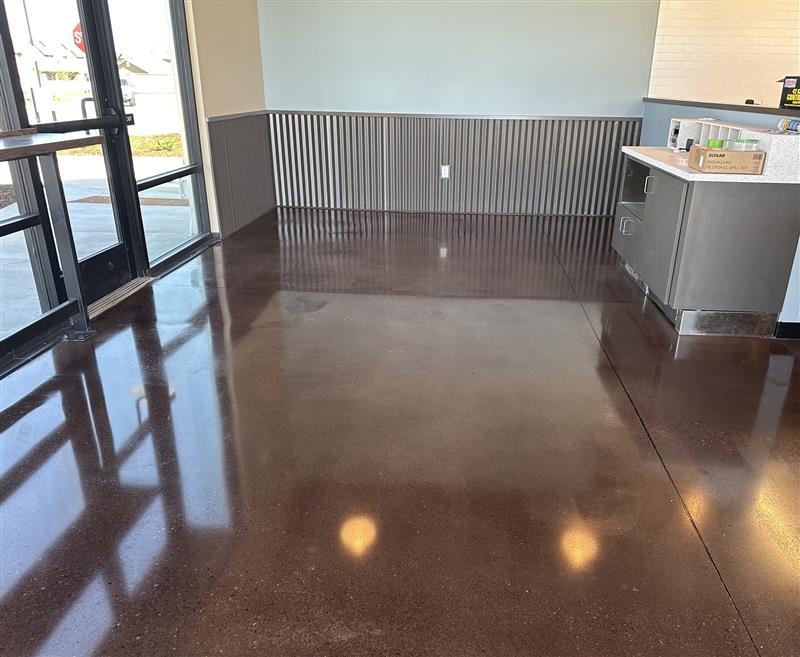
Concrete mixes aren't all the same. Think of it this way: you wouldn't use the same recipe for cake and brick, right? Concrete is the same. It’s about the right ingredients in the right amounts.
Don't forget the aggregate, like sand and gravel. The size of the aggregate affects how the concrete behaves. Bigger aggregate can give you stronger concrete, but it might be harder to get a smooth finish. Think about that for a polished concrete floor.
Compressive strength matters. This is how much pressure the concrete can handle. Warehouses need high compressive strength because of forklifts and heavy loads. A patio doesn't need as much.
The water-cement ratio is also key. Too much water weakens concrete, which leads to cracks. Too little makes it hard to work with. Finding the right balance is important.
Colorado has its own challenges. The freeze-thaw cycle here is tough. So, you need a mix that can handle the constant expansion and contraction. Also, the altitude can affect how the concrete sets. Talk to someone who knows Colorado concrete. It makes a difference. Using the wrong mix invites cracks and chips, and the floor won't last. No one wants that.
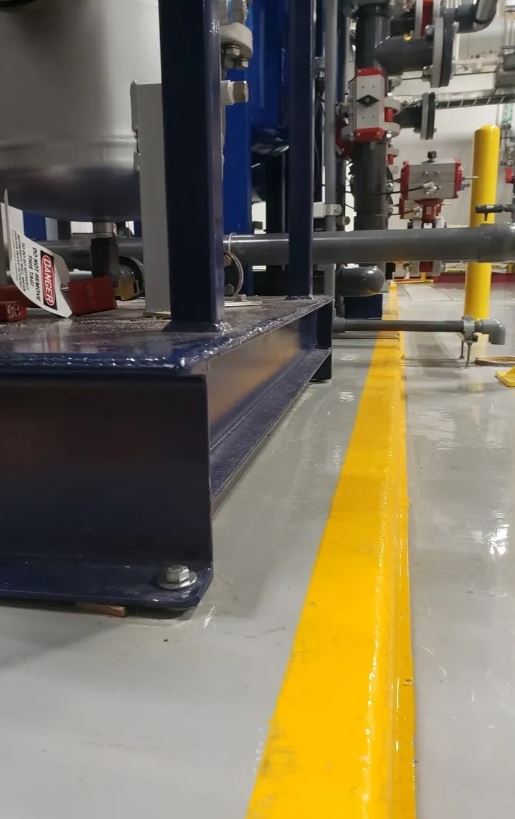
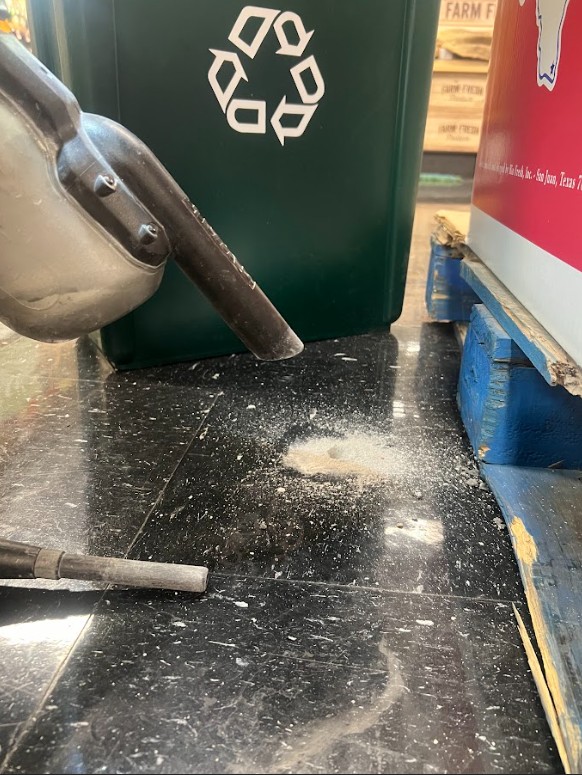
When placing concrete, some things can make or break the project. Consolidation is key. You must remove air bubbles. Vibrate or rod the concrete. If you don't, you risk weak spots and floors that crumble fast.
Screeding levels the surface, and floating smooths it. Don't skip these steps! Then comes finishing. Troweling creates a smooth look. Stamping lets you add patterns. Texturing adds grip, great for spill-prone areas.
Here is why overwatering is bad. People think more water makes concrete easier to work with, but it weakens the mix. It hurts the concrete's strength and makes it likely to crack. You'll get a floor that's not as durable as it should be. Next steps? Stick to the right water-to-cement ratio. It’s worth it.
Proper curing matters for concrete floors. You can have the best concrete mix and the perfect pour, but poor curing causes problems. Curing lets the concrete reach its best strength and durability. It is about controlling moisture and temperature so the cement hydrates well.
There are different ways to cure concrete. The best way depends on the project and the weather in Colorado. Water curing keeps the surface wet for days and provides steady moisture. However, this is not always easy, especially for large areas or when temperatures change.
Membrane curing uses a liquid compound that seals the surface and stops moisture from escaping. Many people like this option because it is easy to apply. Chemical curing uses chemicals to speed up hydration.
Skipping curing leads to a weaker slab that cracks, dusts, and scales more easily. Colorado's climate has freeze-thaw cycles and strong sun, so proper curing is even more important. Do not skip this step.
Concrete Flooring Installation: A Colorado Project Checklist
Sealing concrete floors is very important, especially in places with big temperature and moisture changes. Sealing protects your concrete from stains, water damage, and wear.
There are different sealers. Penetrating sealers soak into the concrete. Topical sealers make a protective layer on top. Penetrating sealers are good because they don't change the concrete's look much. Topical sealers give you a durable, glossy finish, but they can scratch or peel if applied wrong.
The right sealer depends on the floor's location and use. A warehouse floor needs something tougher than a garage floor. Don't skip prep work! The concrete must be clean and cured before you apply a sealer. Otherwise, you trap dirt and moisture, which causes problems. A little extra effort saves headaches later.
Concrete flooring failures in Colorado often stem from insufficient substrate preparation. This includes neglecting proper cleaning, profiling, and moisture testing. Ignoring these steps can lead to poor adhesion and premature coating failure due to Colorado's unique climate.
Colorado's dramatic temperature swings and freeze-thaw cycles pose a significant challenge to concrete floors. Failing to account for these conditions with appropriate materials and installation techniques can result in cracking, spalling, and delamination. Understanding local climate is crucial.
Choosing the wrong type of concrete or coating for the intended use and environment is a common mistake. Selecting materials that are not resistant to abrasion, chemicals, or UV exposure can lead to premature wear and tear. Always consult with experts on material compatibility.
Let's talk about concrete cracking. It's common in Colorado because of our climate. Cracks develop for a few reasons. Shrinkage happens as concrete dries, creating stress that causes cracking. Settlement is another issue if the ground isn't compacted or has soil problems. Overloading, such as parking heavy equipment on a floor not designed for it, can also cause cracks.
How do you prevent cracks? Start with good design. Use the right concrete mix and reinforcement. During construction, proper curing is key. Don't let the concrete dry too fast. Maintenance matters, too. Sealers protect the concrete and reduce cracking.
What if you already have cracks? You can fix them in a few ways. Epoxy injection works for structural cracks because it fills the crack and bonds the concrete. For smaller cracks, patching might work. The right method depends on the crack type, size, and cause. Ignoring cracks can cause water damage or structural failure. Address them quickly.
Do your concrete floors look rough? Are they cracked, stained, or ugly? Don't assume you must rip them out. Concrete overlays and resurfacing are often better.
Overlays give your floor a fresh start. There are a few kinds, and your choice depends on what you want to fix. Microtoppings are thin and smooth minor flaws. They create a new canvas for staining or polishing. Self-leveling overlays are thicker and even out floors that are uneven.
Prep work matters. You can't slap an overlay on a dirty or unstable surface. Clean the existing concrete well. Repair any major cracks or damage first. If you skip this, the overlay won't bond, and you'll have more problems.
Who benefits? Many people do. Warehouse managers deal with worn floors. Businesses want a modern look. Homeowners tire of their cracked garage floor. Automotive shops love epoxy coatings because they last. Healthcare facilities need flooring that’s easy to clean. The right overlay can make a big difference if you do it right.
Let's talk coatings. Bare concrete is tough, but it can be better. Think of epoxy or polyurethane coatings as armor for your floor. They add protection, improve appearance, and can add features, like slip resistance.
Coatings come in different types. Epoxies are very durable and resist chemicals. They work well in garages, workshops, or warehouses. Polyurethanes are more flexible and resist UV rays, so they're good for areas with sunlight or heavy foot traffic. Acrylics are another choice, often used for decoration or sealing.
The coating is only as good as the prep work. You must get the surface clean and ready. That means grinding, patching cracks, and ensuring it's dry. Application also matters. Follow the maker's directions closely. Apply enough coats, and ensure even coverage.
How about maintenance? Regular cleaning keeps things looking good. Avoid strong chemicals that could hurt the coating.
Who gains from this? Everyone does. Warehouses get durable, easy-to-clean floors. Commercial spaces get a professional look. Auto shops gain chemical resistance. Healthcare sites need hygienic surfaces. And homeowners enjoy a coated garage floor. Coatings matter for concrete floors.
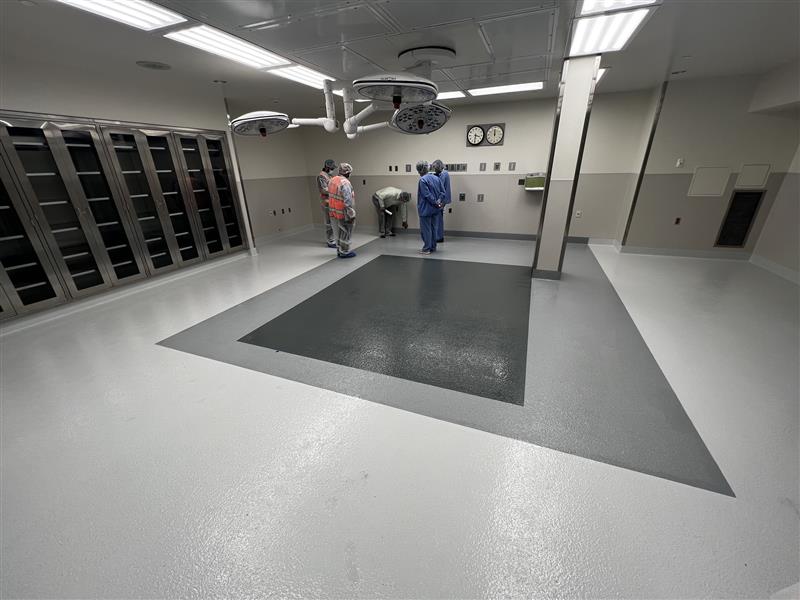
You have a concrete floor, right? Keep it looking good and lasting long. Regular cleaning is key. Sweep up grit and dirt before it gets ground in. Mop regularly with a pH-neutral cleaner. Harsh chemicals can etch or dull the surface, so avoid them.
Spills happen, especially in a warehouse or garage. Deal with stains quickly. For oil, try a degreaser. There are also specific concrete stain removers. Test in a small, hidden area first.
Resealing is often forgotten. How often you do it depends on traffic and the sealer type. A good rule is every 1–3 years. Sealing protects concrete from moisture, stains, and wear. Skip it, and you will see more stains, cracking, and deterioration. That will cost more in the long run.
Don't ignore small problems. A tiny crack might seem minor, but water can get in, freeze, and expand it. Address issues fast to avoid bigger, pricier repairs. RFE can help with solutions for Colorado's climate, so your concrete floors perform well for years.
Do you want your concrete flooring project in Colorado to go smoothly? Picking the right contractor is key. Don't just pick the first name you see.
First, check their credentials. Are they licensed and insured? This protects you if something goes wrong. Ask to see proof. Then, look at their past work. A good contractor will have a portfolio with photos and addresses. Talk to previous clients, if you can. Did they deliver on time and within budget? Were there any issues?
Get multiple bids. This isn't just about finding the lowest price. It's about understanding different approaches and what each proposal includes. A very low bid might mean they are cutting corners.
Communication matters. From the start, make sure the contractor understands your vision. They should explain the process in a way you understand. Get everything in writing. A detailed contract helps. It should cover the scope of work, materials, timeline, payment schedule, and what happens if there are disagreements. A little extra effort upfront can save you stress and money later.
What's the key to concrete flooring in Colorado? Careful planning, quality work, and regular upkeep are most important.
If you skip steps at the start, you risk problems later. Cracking or dusting aren't just cosmetic. They can hurt the whole floor. For warehouses or auto shops, this can cause disruptions and added costs.
RFE can help with specific issues. Maybe your floor wasn’t sealed well and now absorbs moisture. Or maybe heavy equipment constantly damages the surface. Solutions exist! This could mean a special coating, crack repairs, or resurfacing the concrete.
Address issues quickly and correctly. Don't just use a quick fix. Find the source of the problem. A strong, nice-looking, and lasting concrete floor isn't just about looks. It’s about safety, and protecting your investment. Colorado's climate, with its freeze-thaw cycles and temperature changes, makes this even more important.